
A Homeowner's Guide to Insulated Window Blinds
- Blindsmart im
- Oct 12
- 9 min read

Insulated window blinds are a clever bit of kit designed to do one job really well: stop heat from escaping in the winter and keep your rooms cool in the summer. Think of them less as a simple window covering and more like a thermal jacket for your windows, actively helping you maintain a comfortable temperature inside your home. It’s this smart design that makes them such a go-to choice for homeowners across the UK looking to make their homes more energy-efficient.
So, What Are Insulated Blinds, Really?
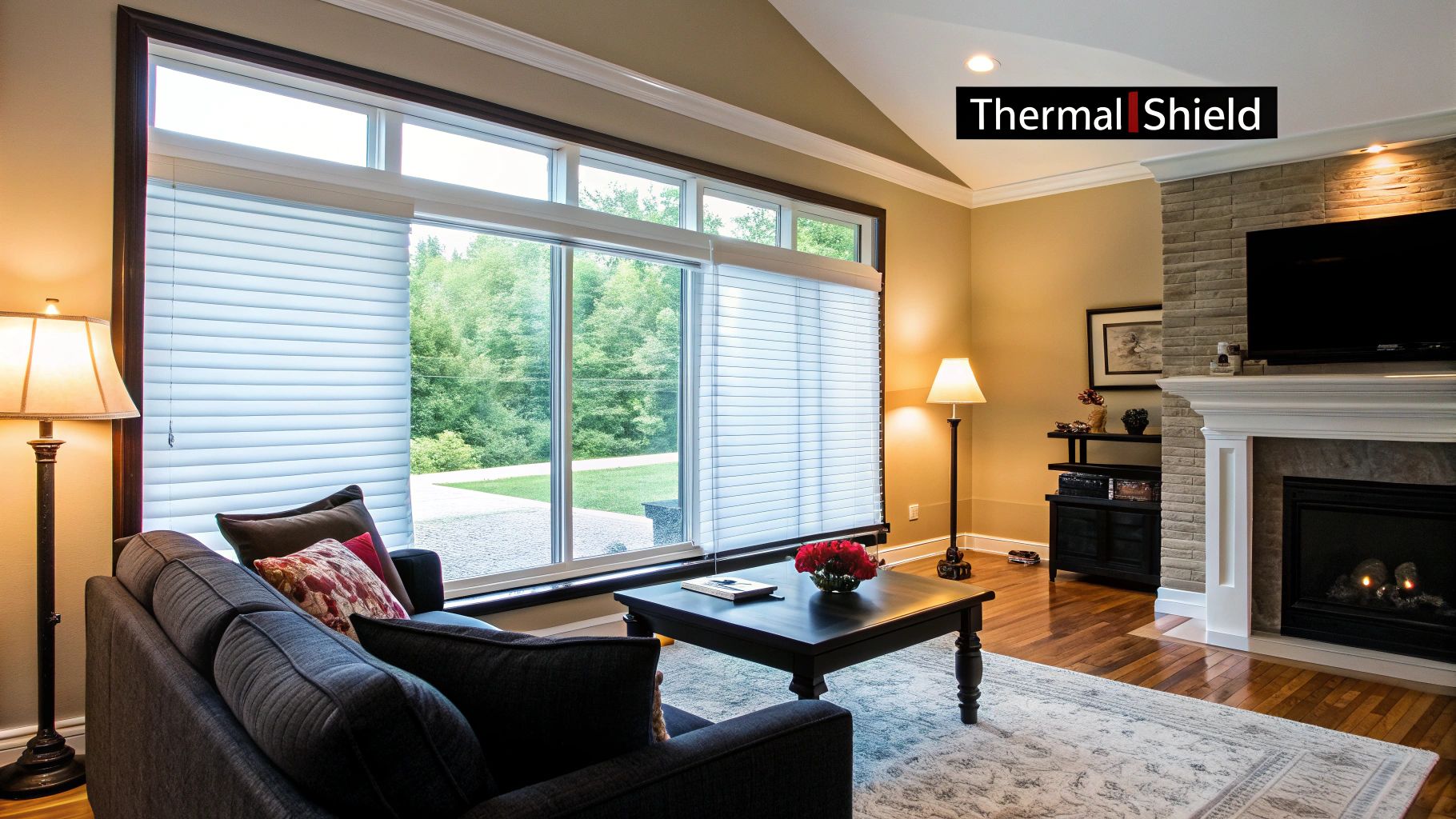
While standard blinds are great for privacy and light control, insulated blinds are engineered for a much bigger task. They're built from the ground up to improve your home's thermal performance by creating a physical barrier right where you need it most – the glass. After all, your windows are one of the main culprits for energy loss in any home.
The secret lies in their construction. The most effective types, such as cellular or honeycomb blinds, have a unique structure made of small, trapped pockets of air. Air is a fantastic natural insulator, and by trapping it within these pockets, the blinds dramatically slow down the transfer of heat.
In practical terms, this means that during a cold winter, the heat from your central heating is reflected back into the room instead of seeping out through the chilly window pane. Come summer, the process works in reverse, blocking the sun's intense heat from warming up your living space. The upshot is a home that feels more comfortable all year round, and you’ll likely see a welcome drop in your energy bills too.
Their popularity isn't just anecdotal. Blinds and shades accounted for a whopping 42.51% of all UK window covering sales in 2022, and their insulating properties are a huge part of that appeal. If you're curious, you can dive deeper into the data on the UK window coverings market to see just how dominant they are.
At the end of the day, opting for insulated blinds is a smart investment in your home. It's a practical choice that boosts your comfort, enhances your décor, and delivers real savings on your heating and cooling costs.
The Smart Science Behind How Thermal Blinds Work
Ever wondered how a simple blind can make such a big difference to your room's temperature? The secret isn't complicated, but it's incredibly effective. It all comes down to creating a pocket of still air between the blind and your windowpane.
Think of it like a winter coat. The puffy filling doesn't generate heat; it simply traps your body heat, creating an insulating layer that stops the cold air from getting in. Thermal blinds do the exact same thing for your windows, slowing down the movement of heat in or out.
In winter, this trapped air barrier keeps your expensive central heating from escaping through the cold glass. Come summer, it works in reverse, blocking the sun's intense heat from baking your room. It’s a simple, clever way to maintain a more comfortable temperature all year round.
R-Value: Putting a Number on Insulation
So, how do we know which blinds are best at this? We measure their performance using something called an R-value.
In simple terms, R-value is a measure of thermal resistance—how well a material stops heat from passing through it. The higher the R-value, the better the insulation. A standard, single-glazed window might have a measly R-value of around 1. Adding a good quality thermal blind can boost that figure significantly, turning a major source of energy loss into a far more efficient part of your home.
This chart gives you a rough idea of how different blind styles stack up.
As you can see, cellular blinds (or honeycomb blinds) are the champions here. Their unique honeycomb structure is literally designed to trap air, giving them a superior insulating ability.
Why This Matters for Homes in the UK
This insulating effect is a game-changer for UK homeowners, especially with energy bills on everyone's mind. We're seeing a huge shift towards energy-efficient home products, driven by both government initiatives and the simple desire to save money.
With new innovations in thermal fabrics and smart home controls, insulated blinds are quickly becoming a go-to solution. If you're interested in the wider trend, you can learn about the European window blinds market and see just how fast it's growing.
At its heart, the principle is incredibly simple: trap a layer of air to create an insulating barrier. It's this basic science that makes insulated blinds a powerful tool for a more comfortable and energy-efficient home.
Finding Your Perfect Insulated Blind Style
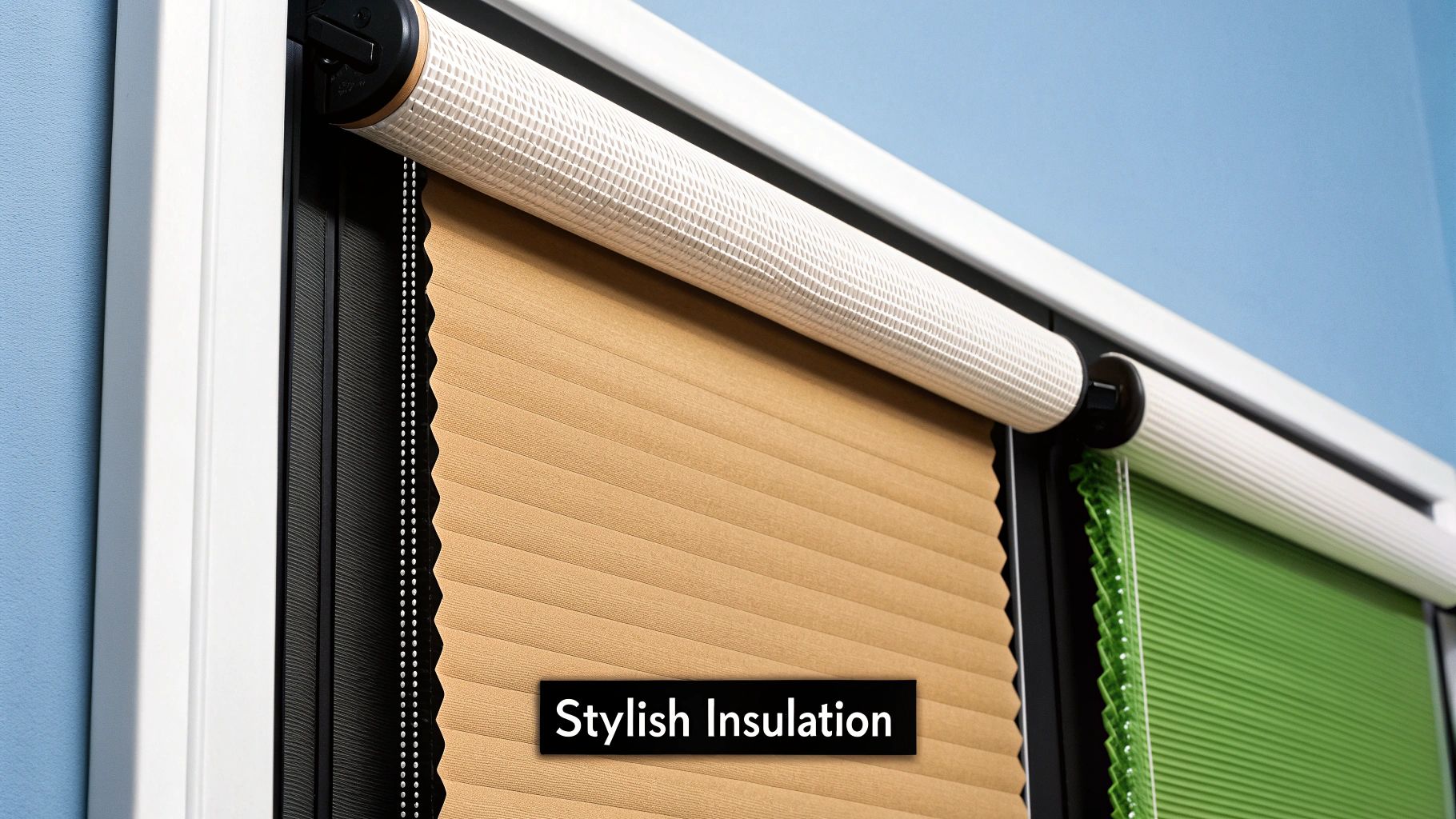
Once you understand the 'how' behind insulated blinds, the fun part begins: choosing a style that not only works wonders but also looks fantastic in your home. It’s important to remember that not all thermal blinds are created equal. The design itself plays a huge role in its insulating power, how it manages light, and the overall feel it brings to a room.
Getting this match right is the secret to making a smart investment. Let's walk through the most popular choices out there, so you can find that perfect balance of function and flair for every window.
Cellular Blinds: The Insulation Champions
When it comes to pure thermal performance, cellular blinds are in a league of their own. You’ll often hear them called honeycomb blinds, and for good reason—their structure is a series of honeycomb-shaped pockets designed to trap air. This trapped air creates an incredibly effective barrier, stopping heat from escaping in the winter and keeping your rooms cool during the summer.
But their genius doesn't stop at insulation. Cellular blinds are wonderfully versatile, available in everything from light-filtering fabrics that cast a soft, ambient glow to total blackout options that are a dream for bedrooms. This gives you pinpoint control over both the temperature and the mood.
Roman Blinds: Classic Style Meets Modern Tech
If you're after a more traditional or luxurious feel, thermal Roman blinds are a brilliant choice. They're made from a single, continuous piece of fabric that folds up into soft, elegant pleats. The real magic, though, is the special thermal lining expertly stitched to the back.
This lining acts as a powerful barrier against the cold without taking away from the classic, sophisticated look. While they might not quite match the raw insulating numbers of a cellular blind, they offer an unbeatable blend of style and substance, making them a perfect fit for living rooms and dining spaces.
Expert Tip: Think about the room's main purpose. A bedroom almost always benefits from the complete darkness and insulation of a blackout cellular blind. A living room, on the other hand, might be better suited to the softer, more decorative touch of a thermal Roman blind.
Roller Blinds: Sleek and Effective
Simple, minimalist, and incredibly practical, lined roller blinds are another great way to insulate your windows. Just like Roman blinds, their thermal credentials come from a specialised backing fused to the fabric. This thermal or reflective layer does a fantastic job of bouncing heat away from the glass.
They give a clean, uncluttered look that's right at home in modern interiors. To get the most out of any insulated blind, it's vital to get a perfect fit. That’s why exploring **custom blinds** is always a good idea. A made-to-measure blind seals the window frame, eliminating those pesky gaps where draughts can sneak in.
To make the decision a little easier, here's a quick rundown of how these popular styles compare.
Comparing Insulated Blind Types
Blind Type | Primary Insulation Method | Best For | Aesthetic Style |
|---|---|---|---|
Cellular (Honeycomb) | Air-trapping honeycomb pockets | Maximum energy savings; bedrooms, conservatories | Modern, versatile, and neat |
Thermal Roman | Insulating thermal lining | Combining style and performance; living rooms, dining rooms | Classic, elegant, and soft |
Lined Roller | Reflective/thermal fabric backing | Sleek and minimalist spaces; kitchens, offices | Contemporary and simple |
Ultimately, the best blind is one that meets your specific needs for insulation, light control, and home decor. By understanding the core strengths of each type, you can confidently choose a solution that will keep your home comfortable and stylish all year round.
The Unexpected Perks of Thermal Blinds
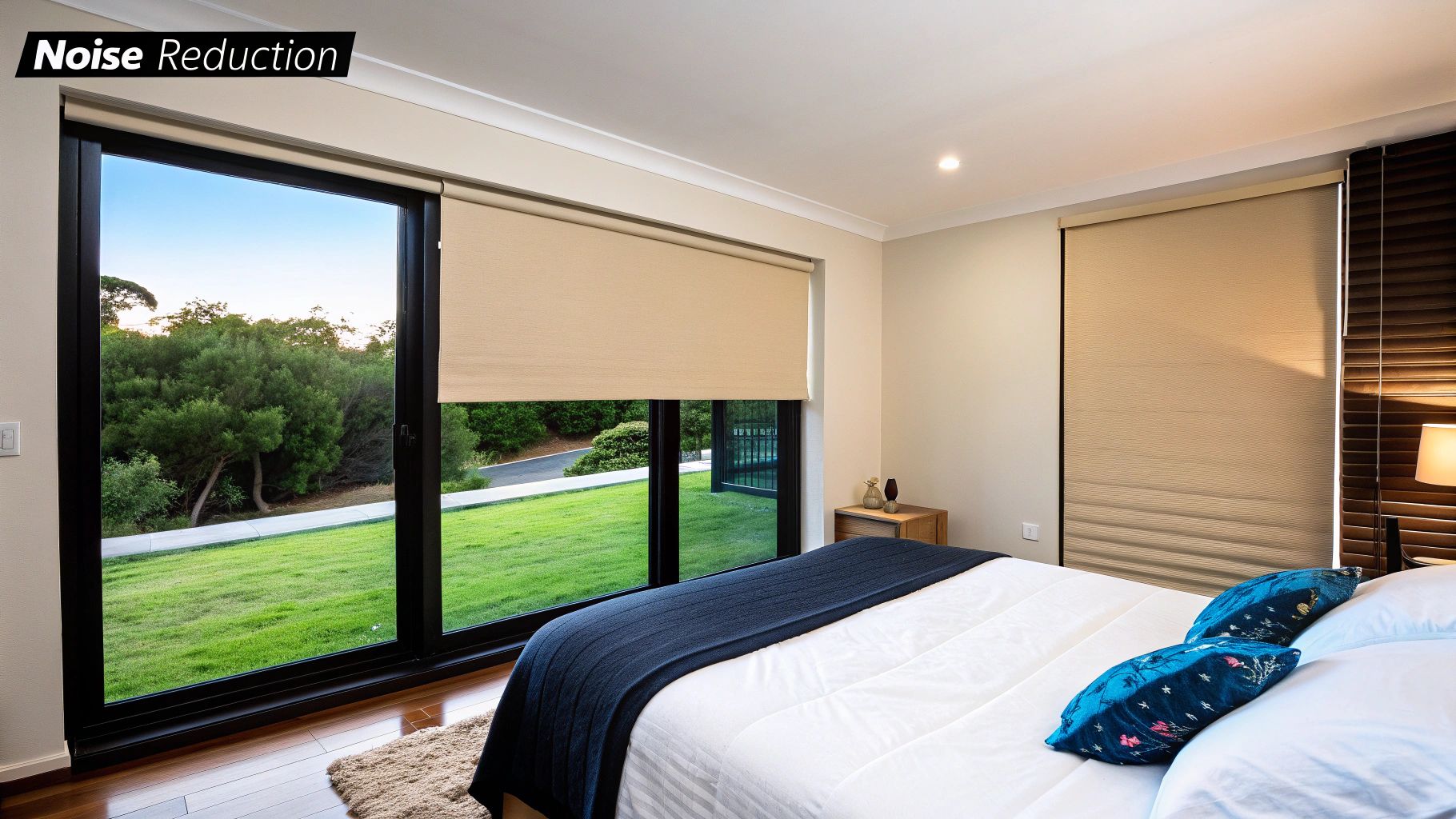
While saving money on energy bills is the main reason most people consider insulated blinds, the benefits certainly don't stop there. Their unique construction brings a whole host of other improvements to your home, creating a space that’s not just more efficient, but more comfortable and peaceful too.
One of the first things you'll notice is the quiet. That clever cellular structure or thick thermal lining that’s so good at trapping air also happens to be a fantastic sound buffer. It effectively dampens noise from the outside world—be it passing traffic or noisy neighbours—turning your home into a much calmer, more serene place to be.
Protecting Your Valuables
Another huge advantage is the protection these blinds offer from the sun's harsh UV rays. Constant exposure to direct sunlight can do a real number on your interiors, causing fabrics, furniture, and even wooden floors to fade over time.
Insulated blinds act as a powerful shield. By filtering or completely blocking damaging UV radiation, they help preserve the vibrant colours of your interiors, protecting your investment and keeping your home looking its best for years to come.
This is a game-changer for any room that gets a lot of sun. It’s a common challenge in glass-heavy spaces, and we’ve got more tips in our guide on finding the best blinds for conservatories, where sunlight management is paramount.
Finally, these blinds offer unbeatable privacy and light control. Because many are made from opaque or blackout materials, you have total command over the light levels in a room. You can create the perfect atmosphere for watching a film, or simply enjoy a well-deserved lie-in on a Sunday morning. The perks really do speak for themselves.
How to Choose the Right Insulated Blinds
Picking the right insulated blinds goes a bit deeper than just matching your décor. To really reap the rewards, you need to think about your home's unique character and how you live in it. A bit of thoughtful planning now will pay dividends in comfort and energy savings for years.
Start by looking at each window as an individual. Is it a large, south-facing window that gets blasted by the sun all day? That has completely different needs to a north-facing window that might be more exposed to chilly winds. For the sun-drenched spot, you’ll want blinds that are brilliant at reflecting heat, whereas the colder window needs something that excels at locking your precious warmth inside.
Match the Blind to the Room's Function
Next up, think about what you do in each room. A bedroom needs to be a dark, peaceful sanctuary for sleep, while a living room often benefits from soft, natural light during the day.
For Bedrooms: A blackout cellular or a thermally-lined Roman blind is a fantastic choice. You get top-tier insulation and the light-blocking you need for a proper rest.
For Living Areas: Light-filtering cellular blinds strike a perfect balance. They keep the room comfortable without plunging it into darkness.
For Kitchens & Bathrooms: These rooms need tough, moisture-resistant materials. Faux wood blinds or specially treated roller blinds with a thermal backing are ideal here.
The interest in high-performance window coverings is growing fast. The UK market was valued at USD 1,447 million in 2024, and it’s set to keep expanding as more of us prioritise thermal efficiency. You can see the full picture in this report on the UK window covering market.
The single most important factor for effective insulation is a perfect fit. Even the best thermal blind will fail if there are gaps around the edges where draughts can sneak through.
This is why getting your measurements spot-on is absolutely critical. A blind that doesn't fit correctly simply can't form the sealed air pocket needed to insulate properly. For a guaranteed snug fit that eliminates gaps and maximises your energy savings, it's worth exploring solutions like Perfect Fit no-drill blinds, which are designed to clip directly onto the window frame itself.
Still Have Questions About Insulated Blinds?
It’s completely normal to have a few questions buzzing around before you decide on the right window covering. Let's tackle some of the most common ones we hear from homeowners to help you feel confident in your choice.
Do Insulated Blinds Actually Work in the Summer?
They absolutely do. It's a common myth that they're just for keeping the cold out. Think of it this way: the same technology that stops heat from escaping in winter is just as good at stopping it from getting in during the summer.
By reflecting the sun's glare and heat away from the glass, your rooms stay much cooler and more comfortable. This means you won't need to crank up the air conditioning as much, making insulated window blinds a fantastic, year-round solution for keeping your energy bills down.
Do I Have to Get Blackout Blinds for Them to Be Insulated?
Not at all. While it's true that thick blackout fabrics are excellent insulators, you don't have to live in the dark to get the benefits. Many highly efficient thermal blinds come in light-filtering options.
A great example is the honeycomb or cellular blind. They can be made from beautiful, translucent materials that let a soft, natural light fill the room. All the while, their clever pocketed design is still working hard to trap air and insulate your window. You really don't have to choose between daylight and thermal efficiency.
This gives you the freedom to find the perfect mix of light, privacy, and insulation for every single room.
Can I Fit Thermal Blinds Myself?
Yes, you certainly can. Many of today's insulated blinds are designed for straightforward DIY installation. But there's one catch that makes all the difference: the fit has to be perfect.
For an insulated blind to do its job properly, it needs to create a sealed layer of air against the window, with no gaps for draughts to sneak through. If you're handy with a tape measure and happy to follow instructions to the letter, you can get a great result. However, for tricky windows or if you want to guarantee you’re getting every bit of insulating power, a professional installation is the only way to ensure a flawless, gap-free fit.
Ready to find the perfect solution for your home? The team at Blindsmart is here to help you explore a wide range of made-to-measure insulated window blinds. Feel free to visit our showroom or get in touch today at https://www.blindsmart-im.co.uk.
Article created using [Outrank](https://outrank.so)
Comments